Research & Insights
Research
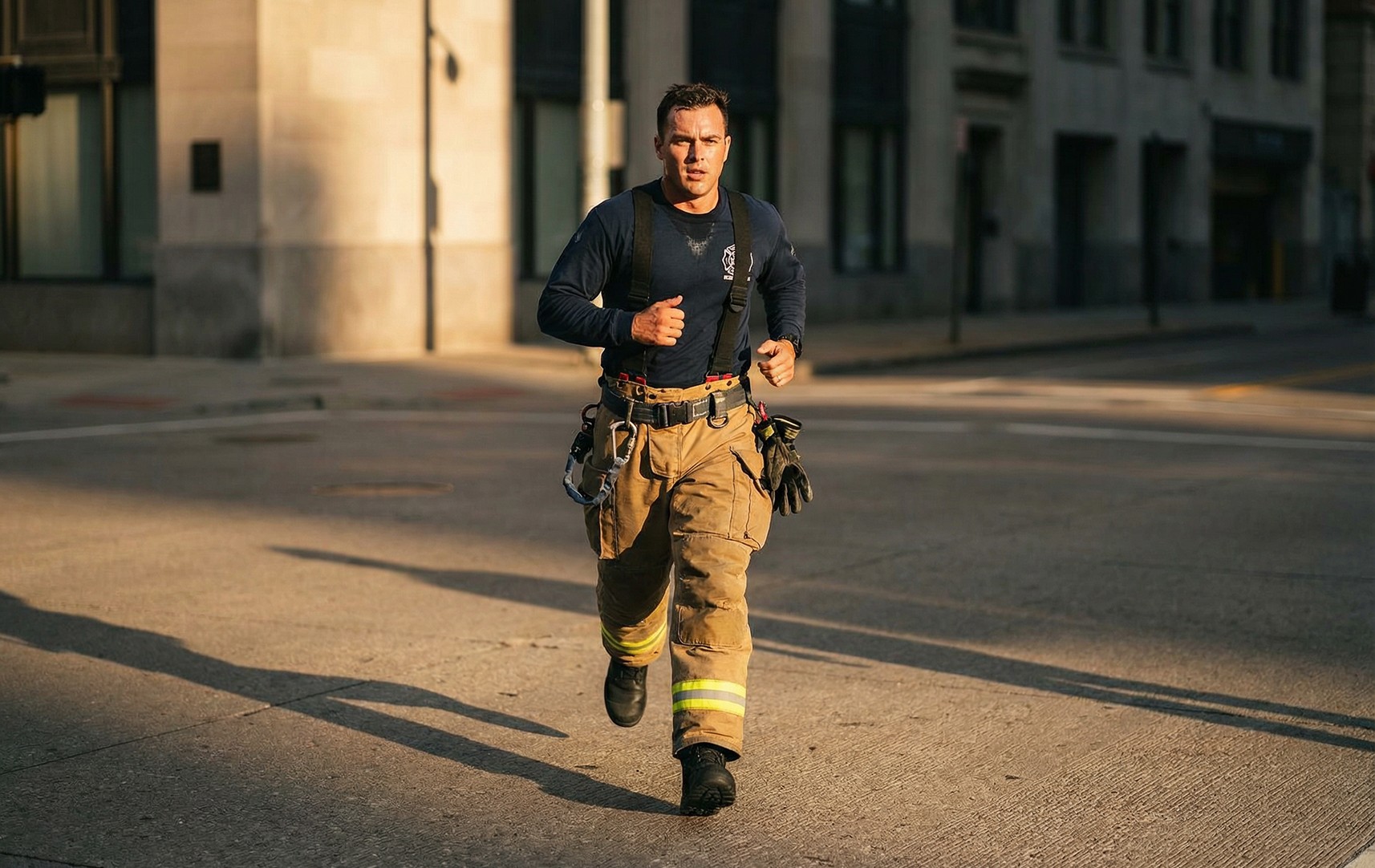
Beyond Traditional Fitness: The New Standard for the Tactical Athlete
For the tactical athlete—whether military, law enforcement, or first responder—the gym is not about aesthetics. It is about survivability. In an environment where adrenaline masks fatigue and the margin for error is zero, traditional fitness metrics like your "max bench" or "5k time" are no longer sufficient.

Case study
Denver Police Department
How Denver’s Police Academy Reduced Lost Workdays by 80% with OTO Readiness Technology and Data-Driven Training
All
Research
Case study
Press releases
Blog
Latest posts
Research
Beyond Traditional Fitness: The New Standard for the Tactical Athlete
For the tactical athlete—whether military, law enforcement, or first responder—the gym is not about aesthetics. It is about survivability. In an environment where adrenaline masks fatigue and the margin for error is zero, traditional fitness metrics like your "max bench" or "5k time" are no longer sufficient.
Blog
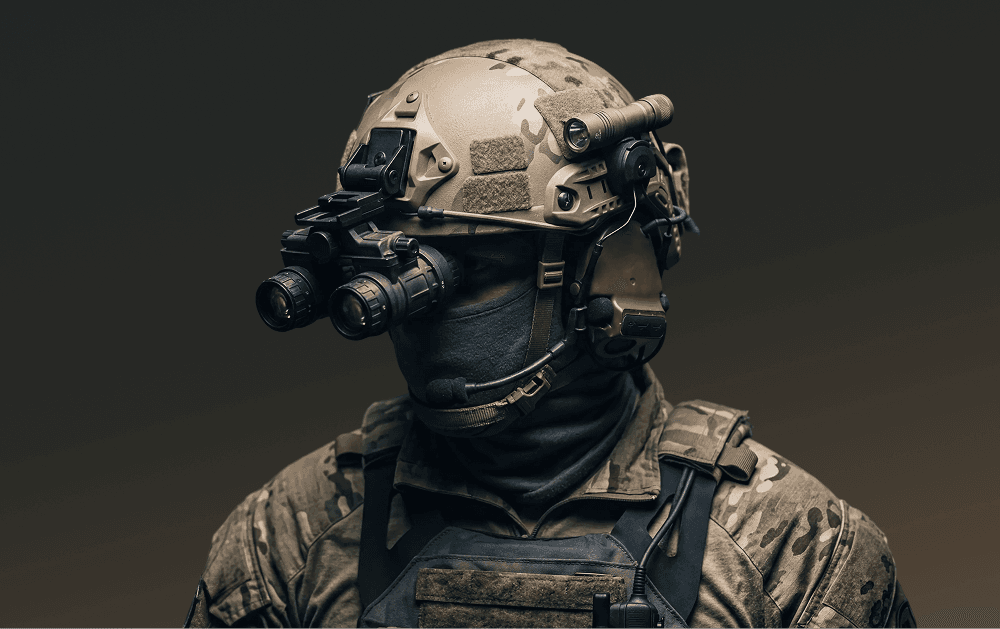
Military Human Performance Optimization: The Role of DC-EEG and HRV
In high-stakes military operations, the most sophisticated weapon system is the human operator. However, traditional methods of monitoring "performance" usually fall flat. Tracking steps or raw heart rate fails to capture the underlying physiological state of a warfighter. To truly optimize military human performance, we must look deeper. We must measure the Autonomic Nervous System (ANS) and the brain’s Direct Current (DC) potential. Here is how OTO Tactical leverages aerospace-grade biometrics to provide a biological failsafe for military personnel.
Blog
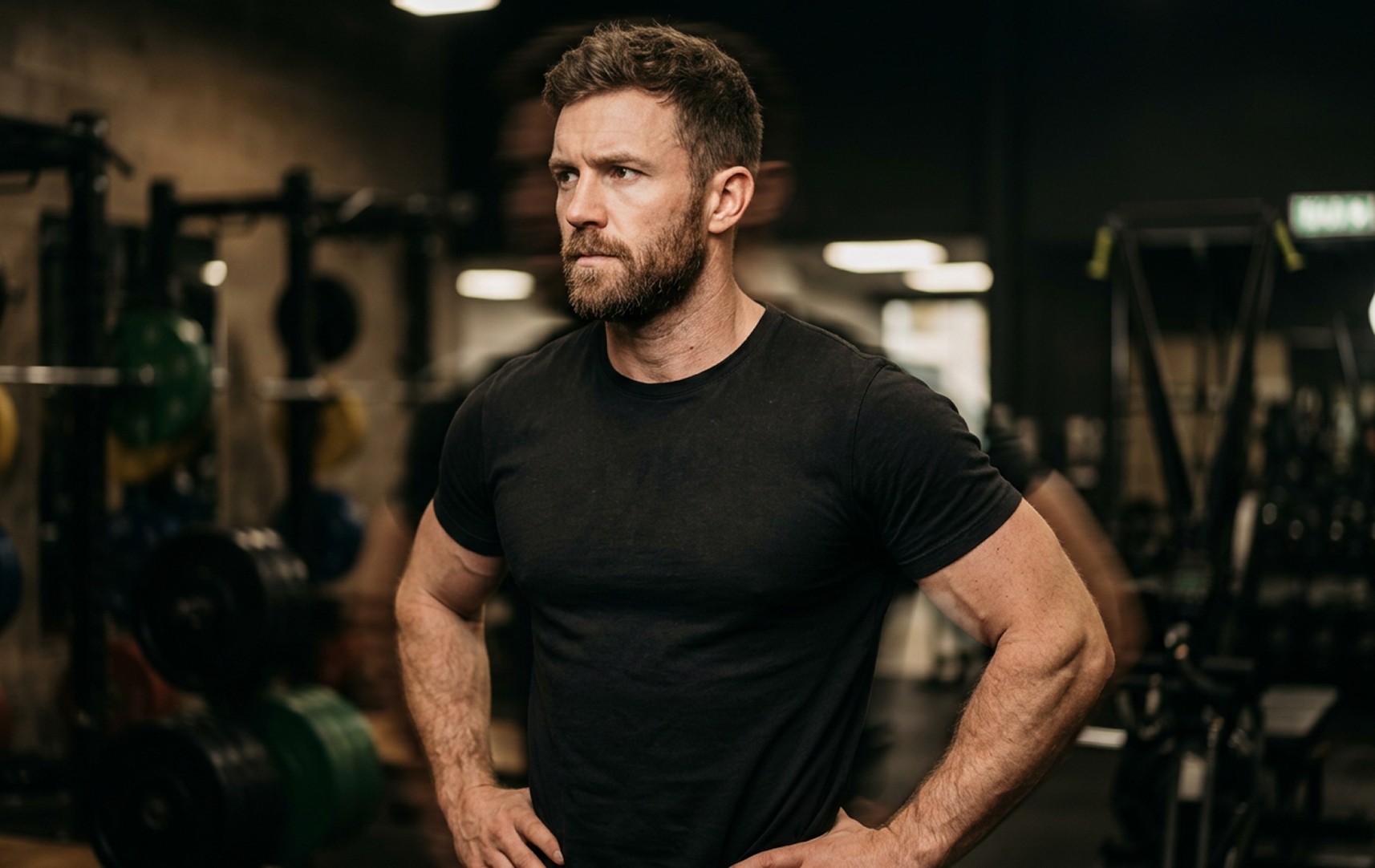
Injury Prevention for the Tactical Athlete: Stop Guessing, Start Measuring
In the tactical world, an injury isn't just a personal setback, it’s a hole in the stack, a missing member of the crew, and a massive drain on agency resources. For years, police, fire, and military personnel have relied on "gut feeling" to know if they were overtraining. But in a culture where pushing through pain is a badge of honor, gut feeling is a massive liability. Research shows that using objective readiness technology can reduce lost workdays by up to 80%. It’s time to stop guessing and start measuring. Here is the 7-Point Framework for data-driven injury prevention.
Case study
Denver Police Department
How Denver’s Police Academy Reduced Lost Workdays by 80% with OTO Readiness Technology and Data-Driven Training